The Seasonal Weekender - A Sunny Bank Holiday Weekend in the Garden
Homeschool Seaside Nature Nature Study, Living Books, and Nature Journal Pages
Summer is the perfect season for a seaside nature study—though, in truth, the coastline offers treasures in every weather and time of year. Some of our most fascinating finds have come after a blustery winter’s storm, when the sea gives up secrets tucked away beneath the waves.
This post is a glimpse into our homeschooling days, which I thought would be lovely to revisit and share. And if, like us, your formal homeschooling chapter has closed, take heart—your learning doesn’t have to end. As an amateur naturalist, I still delight in observing the shifting seasons, keeping a personal nature journal, and discovering the quiet beauty in the everyday. It’s a wonderful way to slow down, reconnect with the rhythm of the year, and simply breathe.
So come with me, back to a time when we lived just a stone’s throw from the shore. Let’s wander together down a winding coastal path to a seaweed-strewn beach, and see what secrets lie waiting in the rock pools…
The Kitchen Sink and the Secret Garden
A Window into the Wild
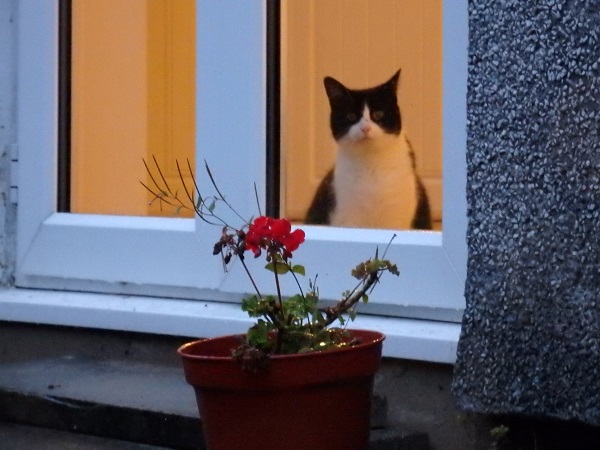
From the vantage point of my kitchen sink, I’ve been granted a quiet but intimate view into what I fondly call The Secret Garden — my modest back garden that comes alive with quiet magic. As I stand washing dishes in warm, sudsy water, my eyes drift beyond the glass to catch the antics of the creatures that share this space with me.
There’s the robin, ever bold, defending his winter territory with song and spirit. Blackbirds busy themselves among the leaf litter, tossing it aside with vigorous scratching in search of earthworms. One moment they’re still, head cocked to listen, and the next—beak to soil—they're pulling a worm from the earth.
And then, there’s the squirrel: a comical, daring acrobat, leaping from branch to feeder with impressive agility. I’ve even had the pleasure of watching a male pheasant strut across the frosty lawn, his entourage of females foraging dutifully at his heels.
Twilight Visitors
As night falls, the Secret Garden reveals more of its hidden guests. I’ve often found myself holding my breath at the sight of a fox, its russet fur glowing under moonlight, as it moves with silent precision across the garden. These are the moments that feel truly enchanted.
Hedgehogs, on the other hand, draw squeals of delight and cries of, “There’s a hedgehog in the garden—come quick!” The dishes are quickly forgotten as we dash outside to observe our prickly visitor snuffling in the shrubbery. We often offer a little dish of cat food, which is gobbled up with noisy gratitude.
The Unseen Secret Garden
I often wonder what goes on when I’m not looking—when I’m not at the window, or the garden is cloaked in the silence of night. It’s this quiet mystery that makes the idea of a Secret Garden feel so real.
No wonder so many amateur wildlife lovers set up garden cameras to catch glimpses of this unseen world. The thought of what remains hidden is almost as magical as what’s observed.
How to Create a Wildlife-Friendly Garden in Winter
If you want to transform your outdoor space into a haven for local wildlife, especially during the harsh UK winter months, here are a few simple, effective steps you can take:
1. Keep Bird Feeders Stocked
Birds expend more energy in winter, so keeping feeders full helps them survive. Use a mix of seeds, fat balls, and suet to attract different species.
2. Leave Leaf Litter Undisturbed
Resist the urge to tidy every corner—piles of leaves provide essential shelter for insects, frogs, and hedgehogs.
3. Scatter Hedgehog and Ground-Forager Food
Sprinkle food such as hedgehog biscuits or cat food under hedges and shrubs where ground dwellers feel safest.
4. Provide Fresh Water
5. Build a Simple Insect Hotel
Create a cosy hideaway by piling twigs, bark, and leaves in a quiet corner of your garden. You can also make bug hotels from old plant pots and bamboo canes.
Complementary Crafts and Learning Activities
✦ Garden Wildlife Journal
Start a nature diary to record daily or weekly wildlife sightings from the kitchen window. Encourage drawing pictures of birds, sketching leaf shapes, or noting animal behaviours.
✦ DIY Bird Feeders
Use pinecones, peanut butter, and seeds to create natural bird feeders. Or recycle yoghurt pots and string for simple hanging feeders.
✦ Make a Hedgehog House
Use old wooden crates or boxes to build a hedgehog shelter. Tuck it into a quiet corner of the garden and line it with straw or dry leaves.
✦ Create Wildlife ID Cards
Print or draw simple identification cards for local garden birds, mammals, and insects. Keep them near the window for easy reference.
✦ Storytelling Prompt: The Secret Garden Watchers
Encourage children (or adults!) to write short stories or poems inspired by the animals they see—or imagine what goes on in the garden at night when no one is watching.
Closing Thoughts
Whether it’s the bold chirp of a robin or the quiet rustle of a hedgehog in the dark, the Secret Garden is always teeming with life—even when we can’t see it. The view from the kitchen sink has taught me that sometimes, the simplest moments are the most magical.
This season, I hope you’ll take a moment to look out of your own window and discover the secret world that might be hiding just beyond the glass.
Embracing Late Winter: Signs of Spring and Seasonal Reflections
The shift between seasons never happens overnight. Even as winter clings on with its chilly grip and stark, bare branches, there are hints—small, quiet whispers—that change is on the way. Late winter is a time for pausing, for noticing, for embracing the subtle stirrings of the world around us as it gently leans towards spring.
The First Signs of Spring
Winter still lingers, but nature is already beginning to stir. On my daily walks, I’ve started spotting the first brave snowdrops pushing their way through the frost-hardened earth. Their delicate white heads nod gently in the breeze—a sure sign that winter’s hold is beginning to wane. The hellebores, too, are starting to bloom in their dusky purples and soft creams, adding muted beauty to an otherwise stark landscape.
Birdsong, once quiet through the darker months, is slowly building. Blackbirds and robins seem to sing with more confidence, their melodies cutting through the crisp morning air. I’ve noticed them darting between hedgerows, gathering twigs and bits of moss—early preparations for the nesting season ahead.
There’s something different in the air, too—sharper, fresher, carrying the first hints of earthiness as the ground slowly begins to thaw. The trees, still bare, are showing signs of life, their buds swelling, waiting for the moment to unfurl into new green leaves.
A Time for Reflection and Preparation
This in-between time of late winter is one I treasure. It’s a chance to savour the last cosy evenings by the fire, warm drink in hand, with a favourite book or a knitting project keeping my hands busy. But it’s also a time of gentle preparation—both indoors and out.
Indoors, there’s an urge to refresh the space, to throw open the windows when the weather allows, to declutter and welcome in the increasing light. Fortunatly this urge fits in well with packing boxes and purging excess!
My Nature Journal: Documenting the Season
In years gone by, one of my favourite ways to mark these seasonal shifts is through my nature journal. Taking time to record what I see, hear, and feel connects me more deeply to the world outside my door.
However, I have to admit that the end of our homeschooling days caused a huge disruptive shift in my life. I know that in life, seasons change, things come to an end, new avenues are explored and new rythms established. But it is far to easy to lose the essence of who you are in the search for a new 'normal'.
As I scrolled through my Instagram account, archiving all my yarn posts as I wrap up that chapter of my life, it struck me how much of what I loved, much of which I wrote about and shared on this blog over the years, had fallen by the wayside... like broken twigs and plant debris after a storm.
Somehow I slipped out of the habit of noticing the 'little things' and recording them in the pages of my nature journal which was always a source of peace and joy over the years. I determined then and there to unwrap my new watercolour palette purchased 2 years ago (I know, shocking!) and to go back to weekly journal entries.
I was a little nervous actually, would I still be able to draw and paint? Would it feel awkward?
Well, it felt a little clumsey but overall I was quite happy with the results and I have to say that I have loved getting back into a daily habit of getting outside and paying close attention to what is happening around me.
Below, I’m sharing a recent journal entry, capturing snippets of January.
Welcoming the Light Ahead
As February begins to slip away and March approaches, the promise of spring feels more tangible. There’s excitement in the longer days, in the warmth that will soon return, in the slow but sure awakening of the natural world.
How are you experiencing this seasonal shift? I’d love to hear about the signs of spring you’ve noticed—do share in the comments or in your own nature journal!
Autumnal Delights at Home
Through the Kitchen Window
This has revealed that I am in dire need of more freezer-safe containers so it's on my list of things to deal with this weekend!
In the Garden
Autumn Walks
Need I say more? Who else has been enjoying autumn walks this month? I wish I had time to sit down and work in my nature journal to capture the season but I simply do not have it!
Pottering About & Lockdown Encouragement
| Those pots are full of sweetpea seeds. I'm hoping that they will scramble over the garden shed this summer |
| Major cleanup going on here! |
Before moving into our home I had bought two of my favourite plants that my garden simply cannot be without. I feel that they denote the season and I look forward to their seasonal displays each year. It adds to the atmosphere of the season in my mind.
The first of those has to be the forsythia. Each spring its bright display of flowers is simply a delight. I love to bring twigs indoors in late winter to force in vases. My garden does not have a forsythia shrub so I'm glad I bought one. I found a perfect spot for it to live over the coming years and am looking forward to watching it grow in stature.